Un Poco de Planning: A New Year's Retreat for Close Friends
Every year, most people do the same thing with their New Year's resolutions. They write them down on January 1st, feel motivated for about two weeks, and quietly abandon them by February. I wanted to try something different.
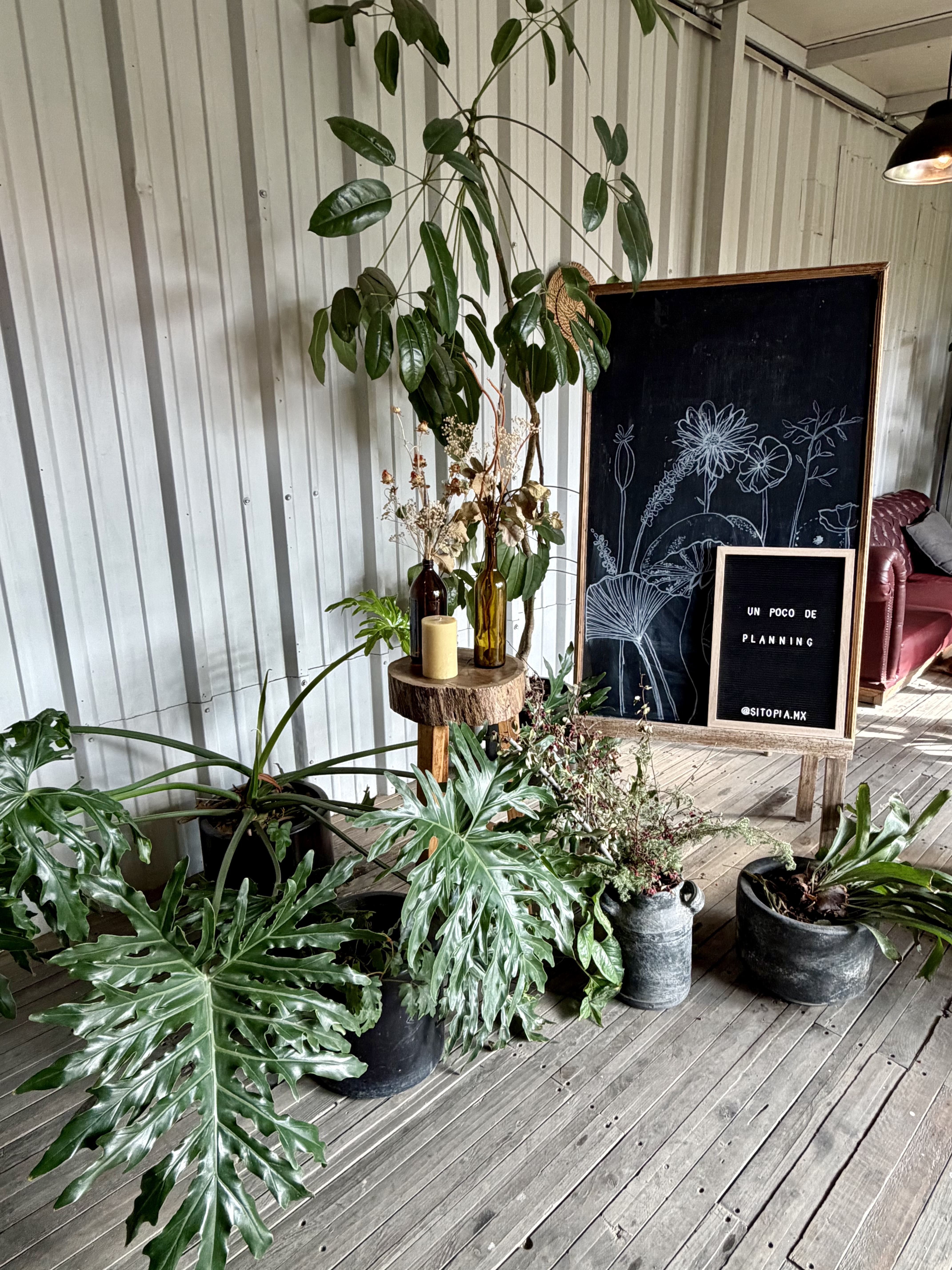
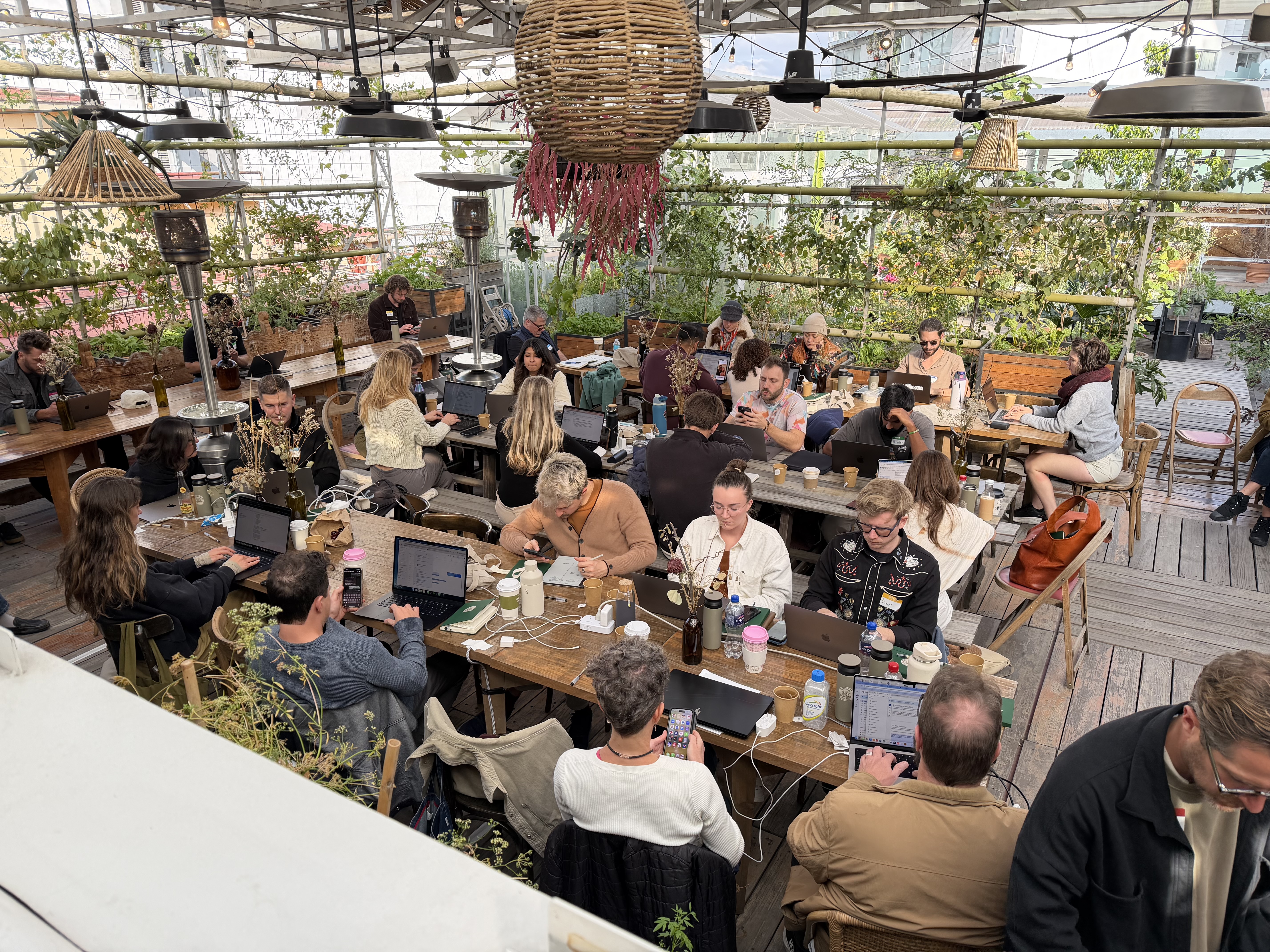
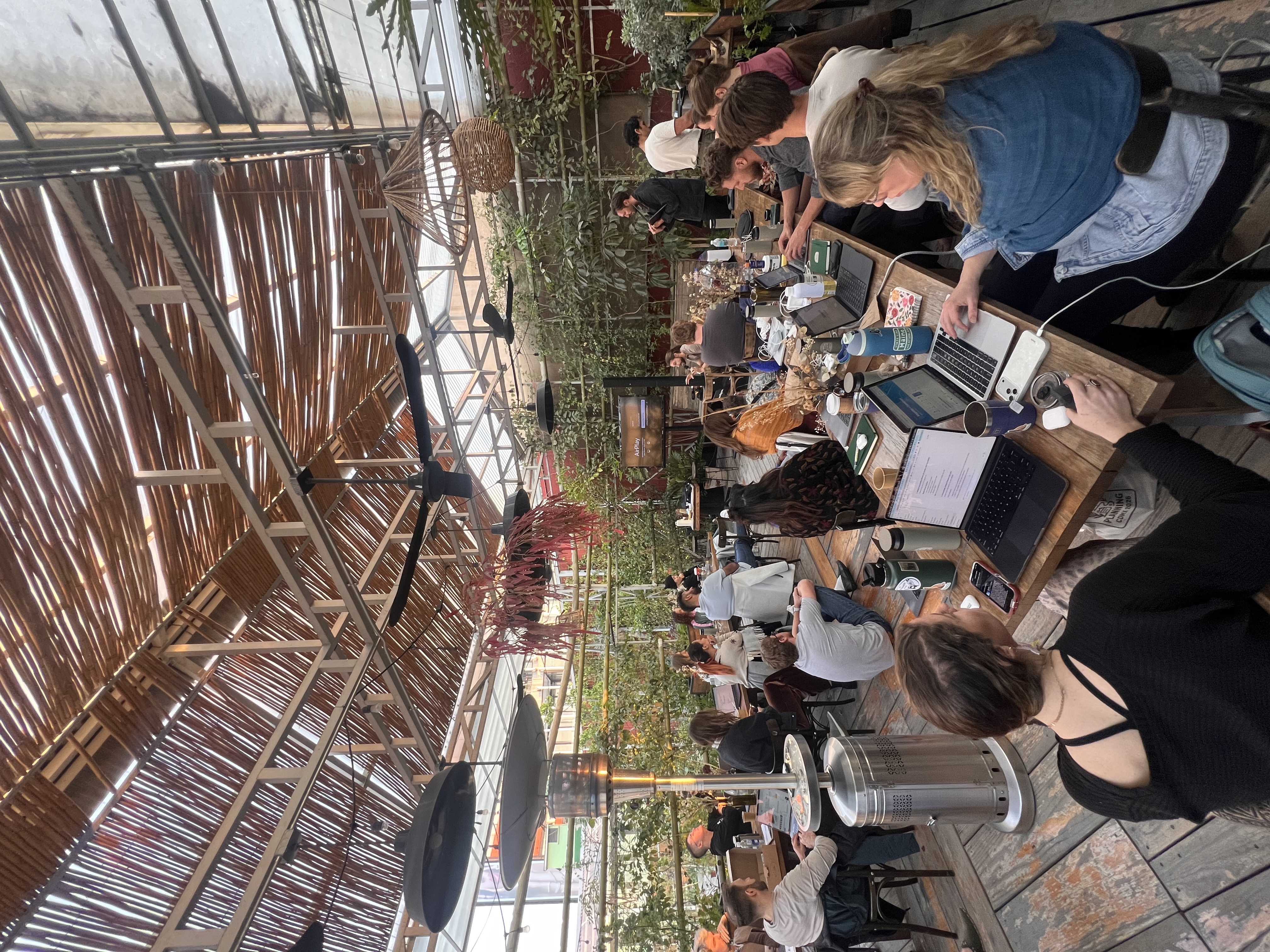
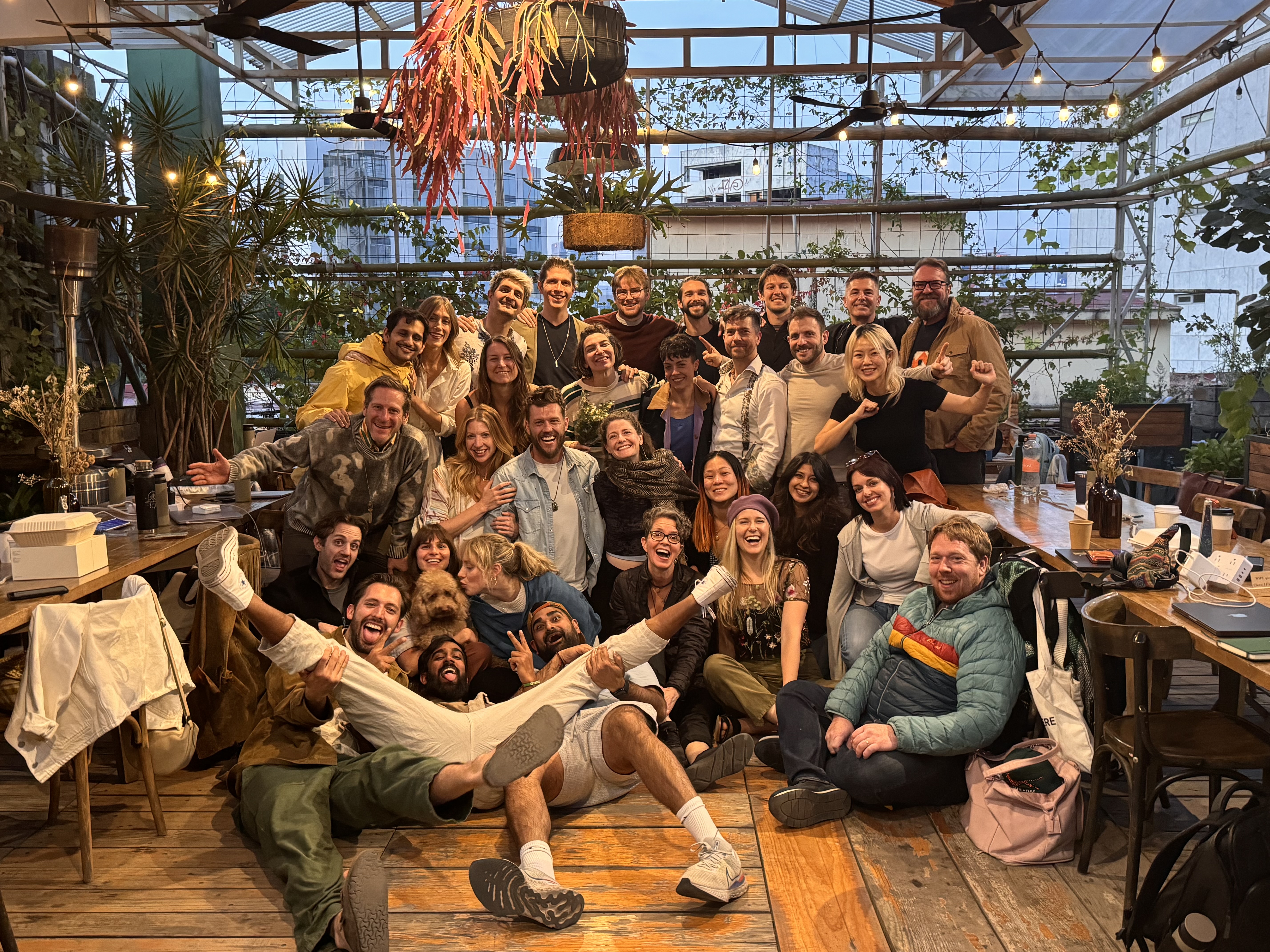
Un Poco de Planning is a New Year's retreat I run in Mexico City for close friends. This year we had about 40 people. Six days. Shared housing in Condesa. The idea is simple: close out one year and enter the next one with real clarity, surrounded by people you trust.
Why it exists
I've always been serious about annual planning. I do a full year-in-review, I write a vision for the year ahead, I map goals into systems. But for a long time I did all of that alone, usually in a notebook on my couch. It worked, but something was missing.
The missing piece was other people. When you reflect in isolation, you only see what you already know how to see. When you do it in a room full of friends who know you well, they catch things you miss. They ask questions you wouldn't ask yourself. They hold you accountable to things you said last year that you conveniently forgot about.
So I started inviting friends to do it together. Over the years I've done various forms of this, from a group of three in Thailand to twelve people in San Francisco to twenty-five in New Zealand. The Mexico City version is where it finally found its full shape.
How it works
The retreat runs for about a week over New Year's. Everyone flies into CDMX, we take over a big house, and we spend the week moving through a progression:
Day one is arrival. People settle in, we eat together, we catch up. No agenda. Just getting grounded.
Day two is reflection. We look back at the year honestly. What worked. What didn't. What surprised us. This is the day that tends to get emotional, and that's the point.
Day three is vision. This is New Year's Eve, and we spend the day crafting a clear picture of what we want the next year to look like. Then we celebrate.
Day four is strategic mapping. We take the vision and break it into actual plans. Systems, habits, boundaries, commitments. The boring stuff that makes the exciting stuff real.
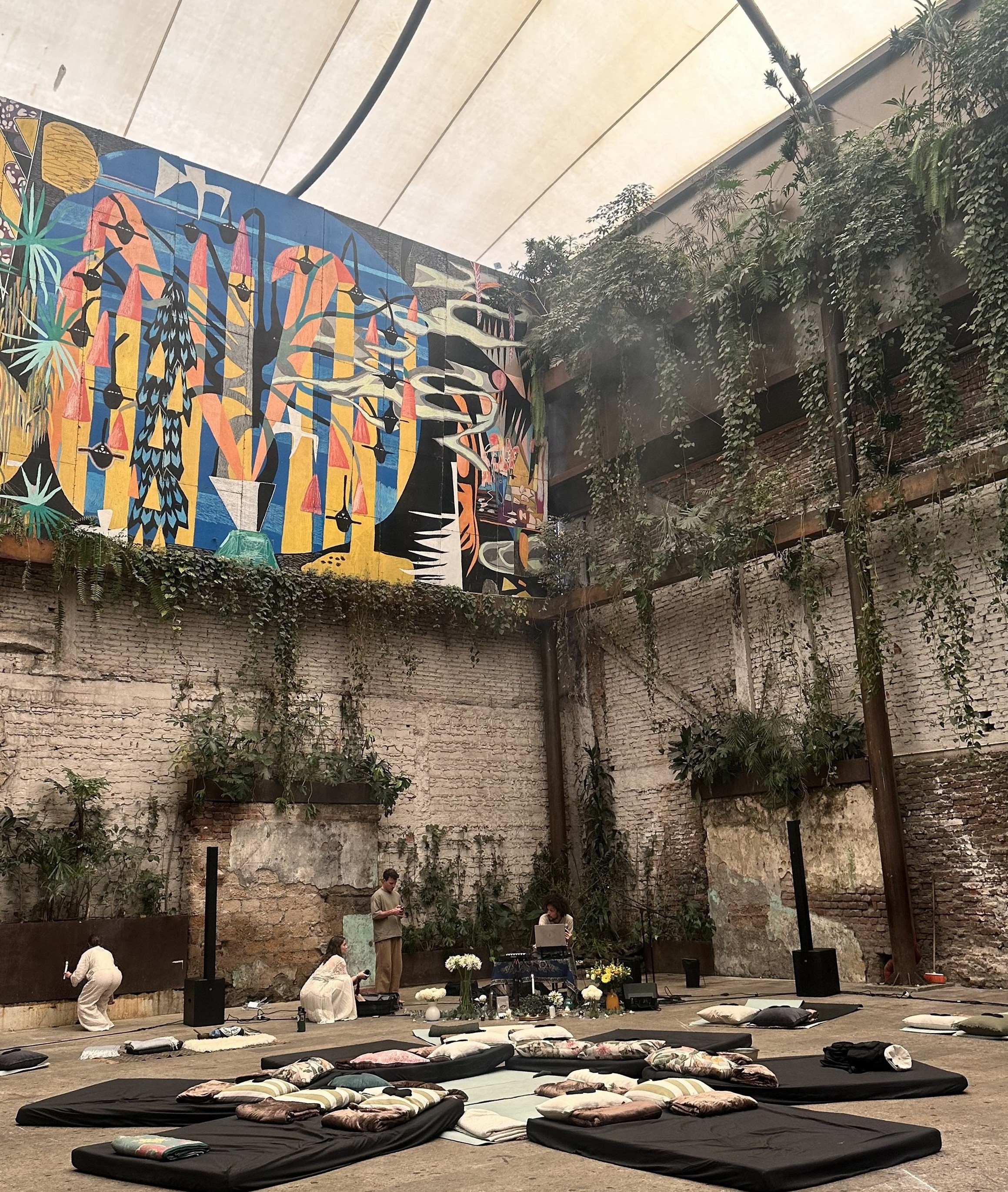
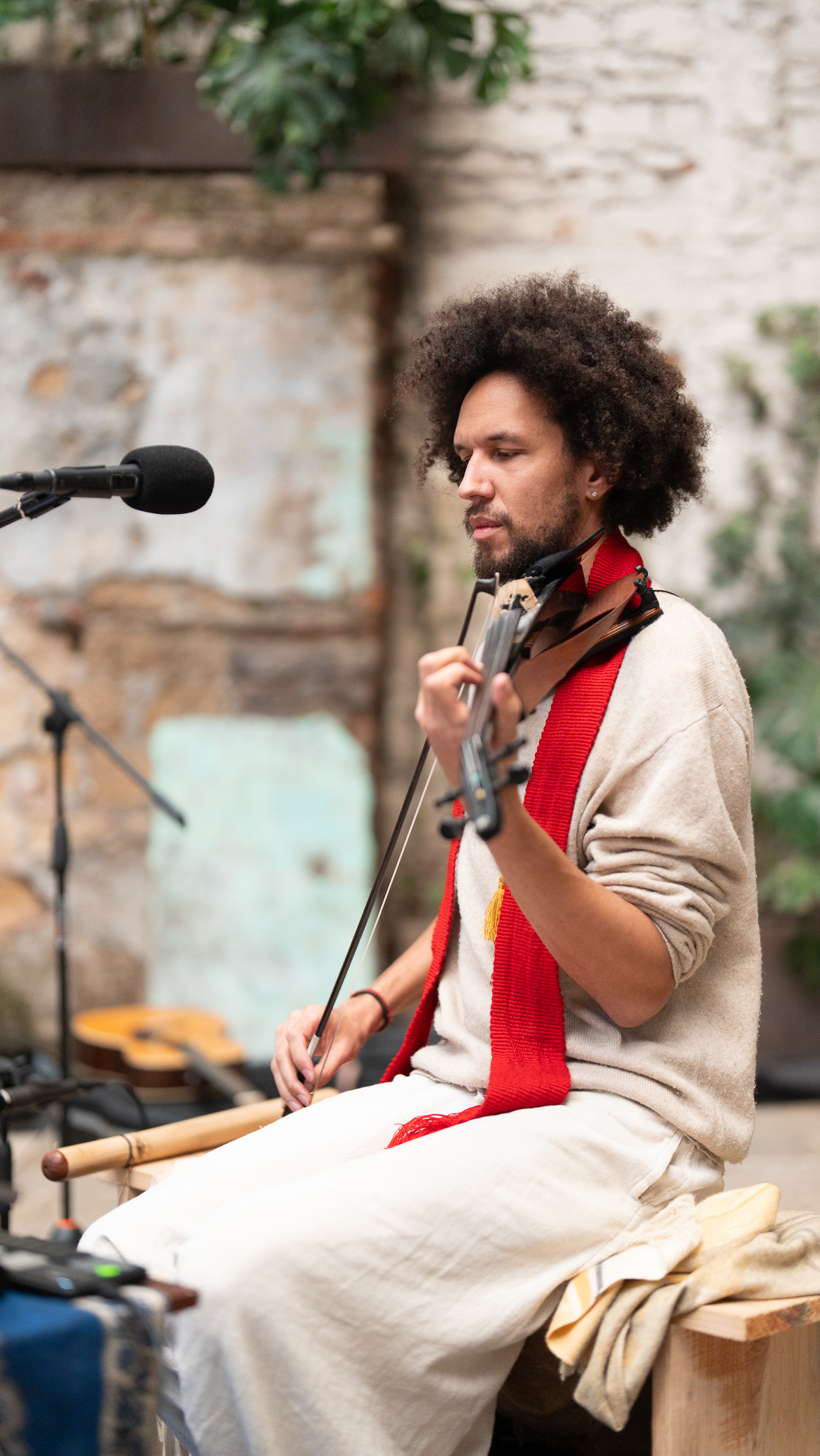
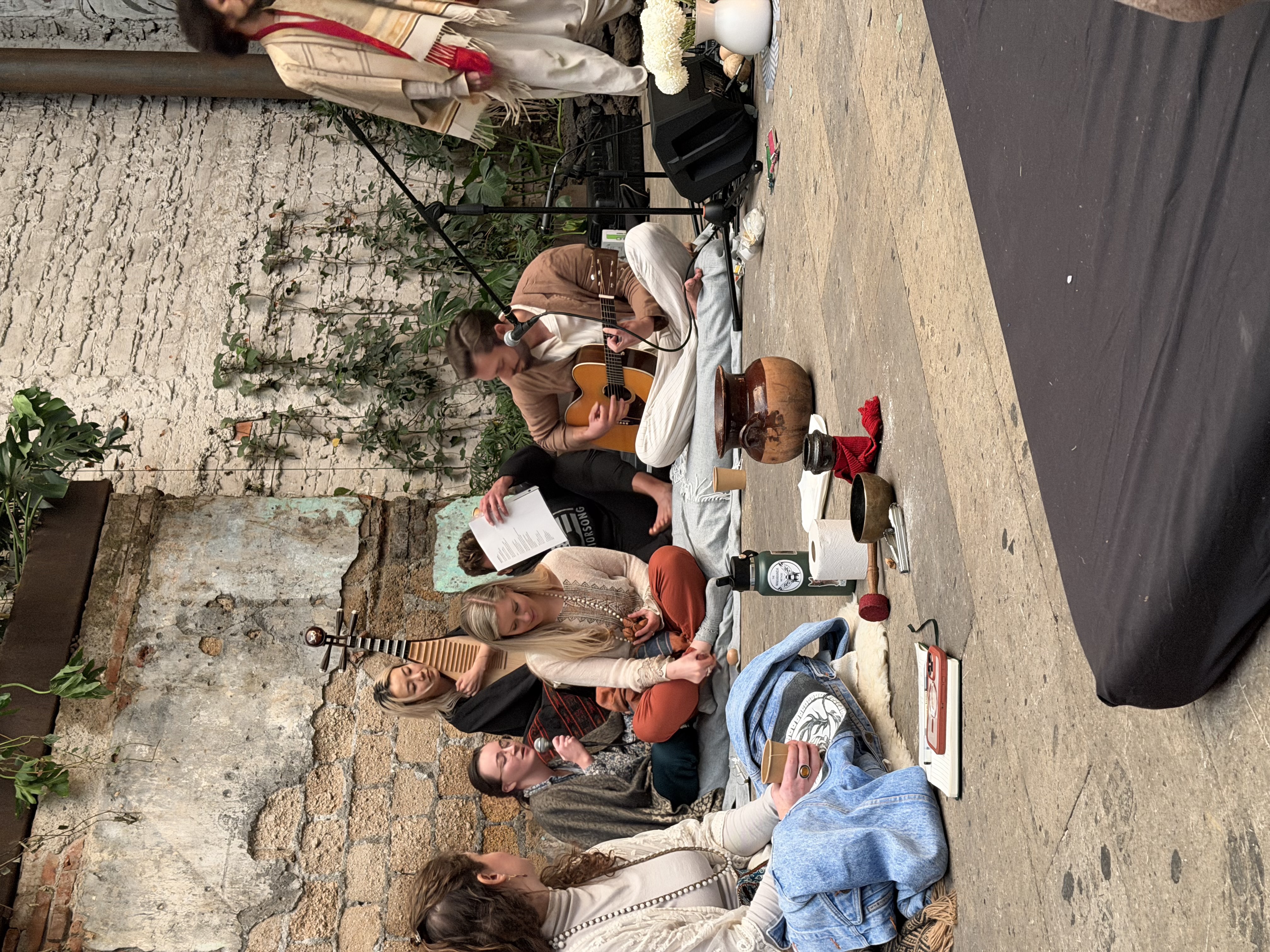
Day five is adventure. We explore the city together, or go deeper on something internal. This year we did a sound meditation ceremony at Proyecto Prim in Juarez with a 360-degree audio setup and Andrei Matorin live looping violin. Forty people on their backs in a circle while the sound moved around and through them. It was an intention-setting ceremony, a way to physically anchor the vision work from the days before.
Day six is integration. We pull everything together, make commitments to each other, and say goodbye.
The facilitation model
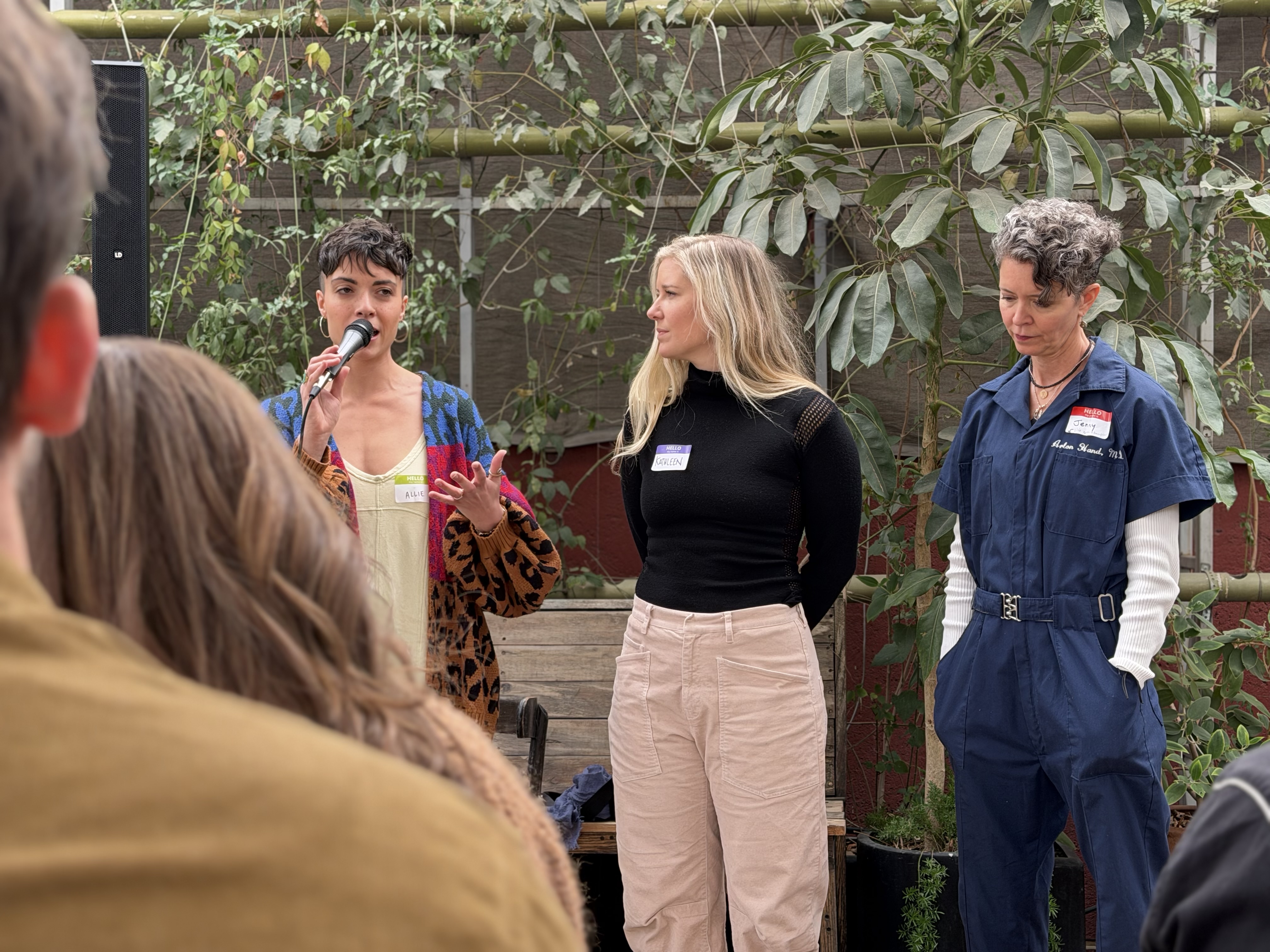
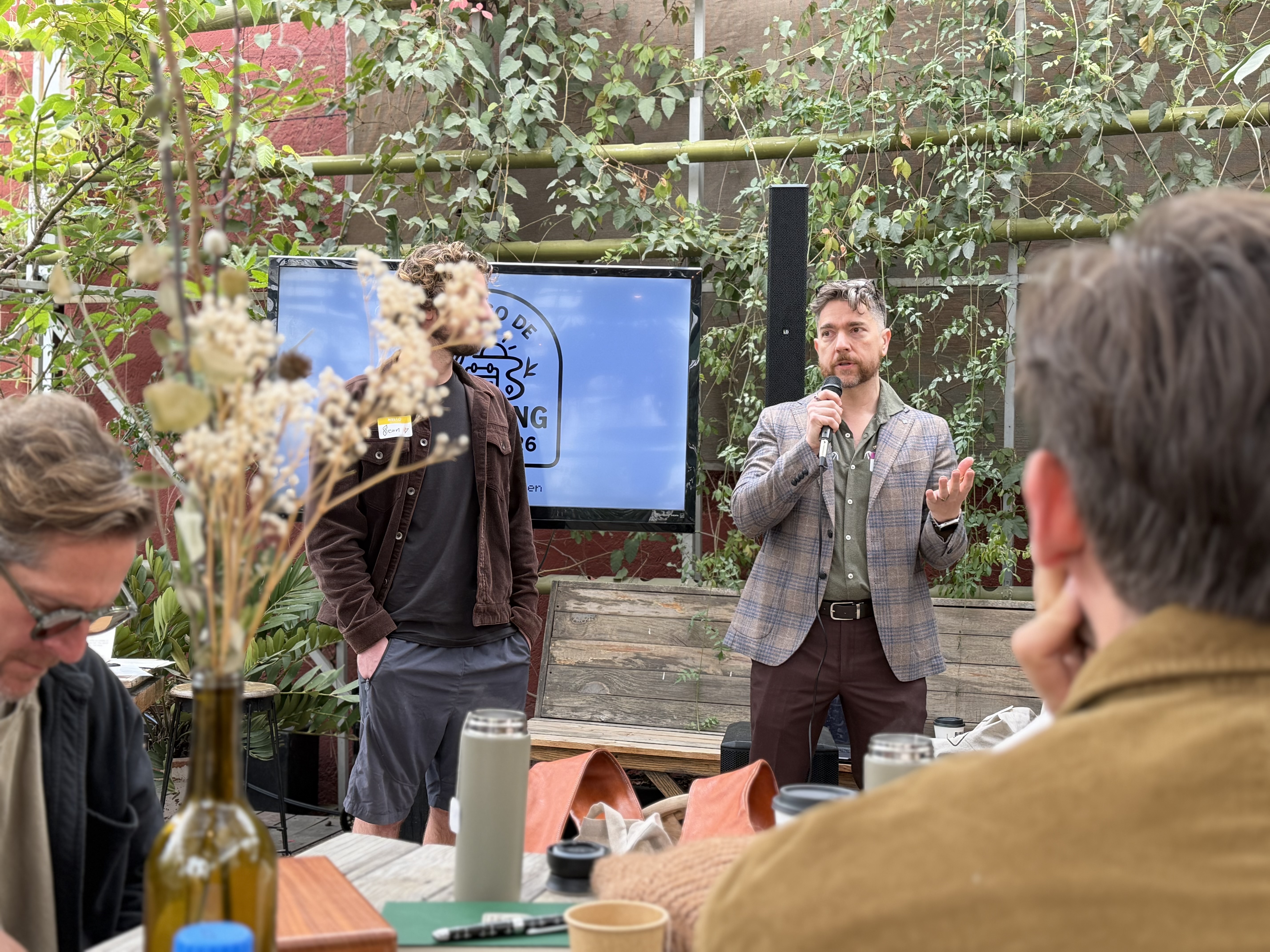
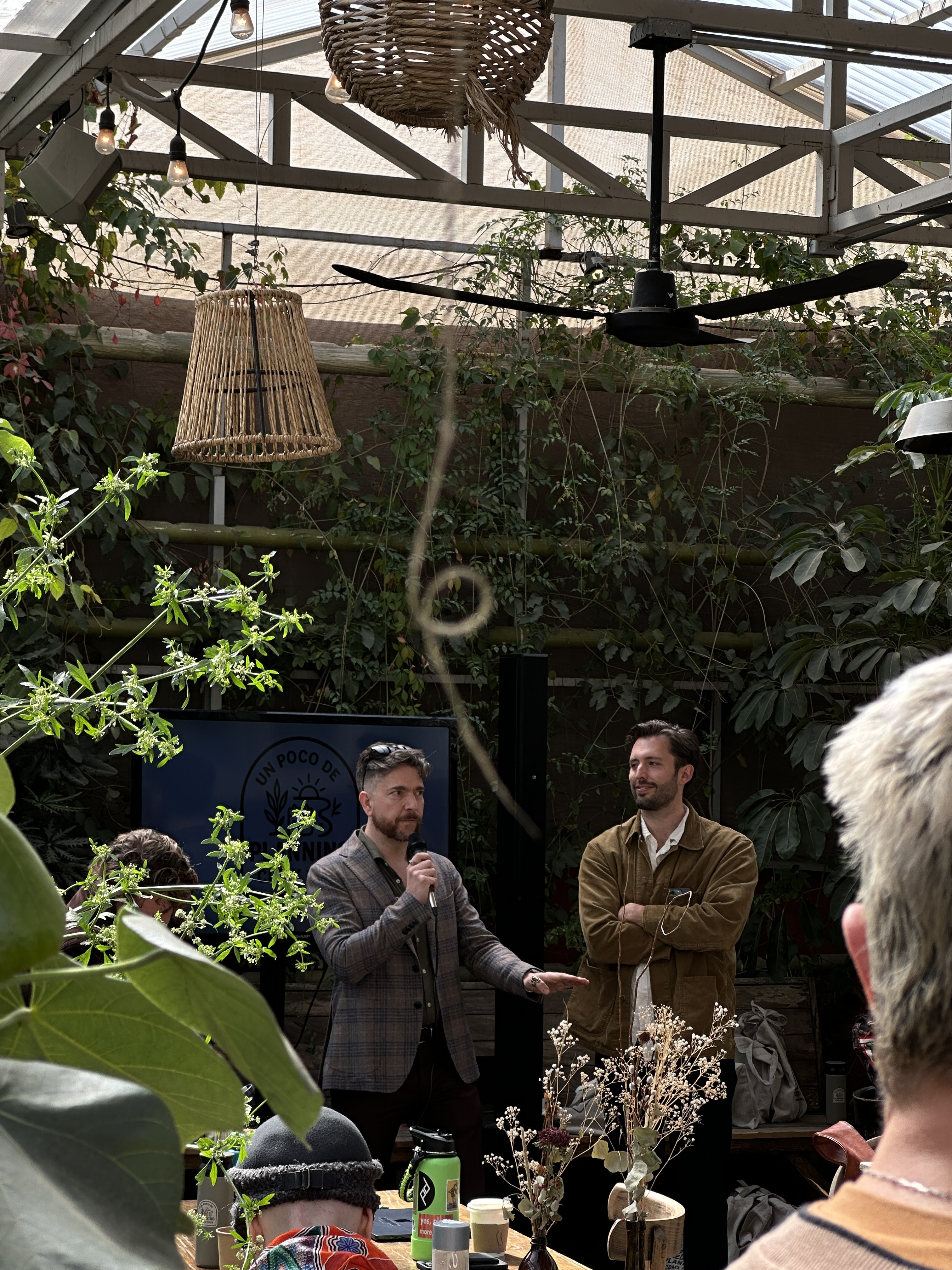
One of the things I'm proudest of is how we handle facilitation. There's no single retreat leader running the show. Instead, different friends take ownership of different days and sessions. We form small facilitation pods, and each pod designs and leads their segment.
This does two things. First, it distributes the labor so nobody burns out carrying the whole week. Second, it makes everyone an active participant. When you know you're responsible for leading a session, you show up differently. You prepare. You think about what would actually be valuable for the group. The quality of engagement goes way up when people have skin in the game.
Pre-work
The retreat starts before anyone gets on a plane. A few weeks out, everyone gets a set of prompts: reflect on the previous year, draft a rough vision for the year ahead, identify one habit or system to focus on, and write a short intention for the retreat itself.
This means people arrive already warmed up. We don't waste the first two days trying to get people into the right headspace. They walk in ready.
What makes it work
I've thought a lot about why this format works better than doing it alone, and I think it comes down to a few things.
The container matters. Leaving your normal environment, living in a shared house, eating meals together, being in a beautiful city. All of that signals to your brain that this is different. This is not normal life. Pay attention.
Social commitment is stronger than private commitment. When you tell forty friends what you're going to do this year, and they were there when you said it, and they're going to ask you about it next December, you follow through at a much higher rate.
The mix of structure and looseness. Too much structure and it feels like a corporate offsite. Too little and it dissolves into a vacation with good intentions. We aim for enough structure that each day has a clear purpose, and enough freedom that people can breathe, explore, and connect naturally.
It's friends, not strangers. This is invite-only and it always will be. The depth of conversation you can reach with people who already know and trust each other is fundamentally different from what's possible with a room full of strangers. We skip the small talk and go straight to the real stuff.
What I've learned
Running this for a few years has taught me things I didn't expect.
People are hungry for this. When I first pitched the idea, I thought I'd have to convince people. Instead, the response was immediate and overwhelming. There's a real unmet need for structured reflection in community. Most people know they should do an annual review. Almost nobody does it. Give them a container and they show up with everything they have.
The location matters more than you'd think. Mexico City in late December is perfect. The weather is warm, the food is incredible, the culture is vibrant. Everyone chips in to cover the house and shared basics. The whole thing runs at break-even. It's a non-commercial activity and always will be.
The ritual element is powerful. There's something about doing this at the turn of the year, every year, with the same core group, that creates a rhythm in your life. It becomes an anchor point. People start thinking in terms of "before Poco" and "after Poco." That kind of temporal landmark changes how you relate to time and progress.
Why I keep doing it
Un Poco de Planning is the thing I do purely because it makes my life and my friendships better. There's no business model. There's no scale plan. It's just a group of people I love, getting together once a year to help each other figure out what matters and what to do about it.
That's enough.